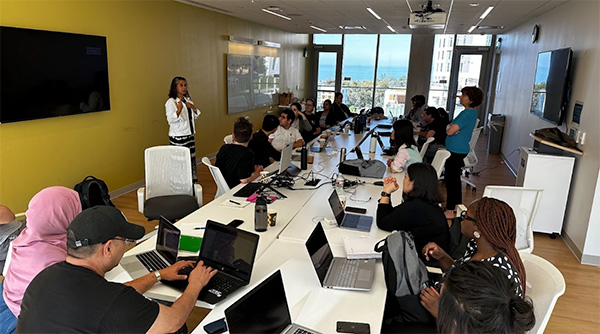
Participants will work with their mentors to formulate a study question and identify the datasets and techniques most suitable for their particular interests and goals. During the bootcamp, participants will receive hands-on experience in technical, scientific, and practical aspects of working with NIH-supported datasets. Dormitory housing on campus will be arranged for those traveling from outside of San Diego County.
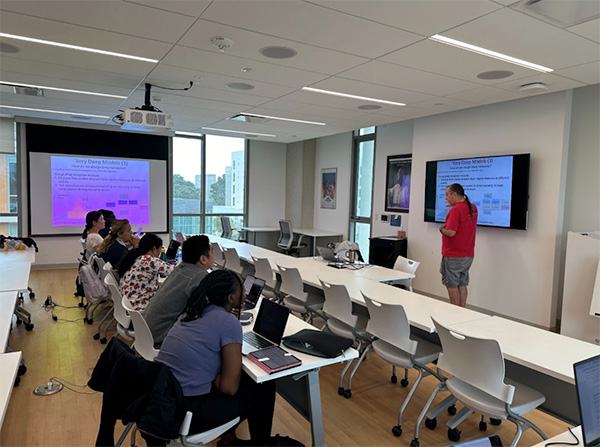
The bootcamp will expose participants to a wide range of relevant techniques and include a combination of didactic lectures, hands-on tutorials, and lab exercises using programming languages such as GitHub and Python. Participants will be introduced to computational programming, FAIR data principles, machine learning, and AI. There will be training in rigor/reproducibility as well as ethics and responsible conduct of research. Social and networking activities will also be conducted to build camaraderie among the cohort and provide exposure to program faculty and investigators associated with the NIH-supported datasets. Bootcamp instructors will assign pre-reading materials to assist with preparation. It is expected that all participants will complete pre-reading materials prior to the start of the bootcamp.
If selected, this is an opportunity to gain cutting-edge training in AI/data science and exposure to NIH Common Fund datasets, without having to pay the tuition costs typically associated with similar training bootcamps. This training can confer a competitive advantage to future applications for fellowship and grant funding (e.g., K awards). For participants coming from outside of San Diego, there is funding to support travel costs and dormitory housing during the bootcamp. There is no stipend support associated with participating in this bootcamp.
2026 Summer Internship Program, Now Available
Lead faculty and instructors are from UC San Diego and CALMI (California Medical Innovations Institute). All faculty members included in the program have had extensive experience in training and mentorship and represent multiple disciplines relevant to AI, data science, and clinical domains.
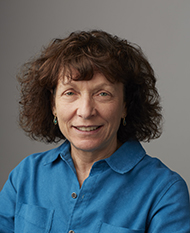
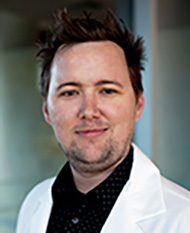
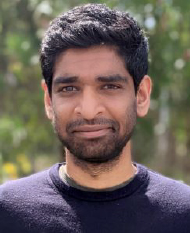
Distinguished Professor of Ophthalmology Research Director, Hamilton Glaucoma Center, Data Coordinating Center Shiley Eye Institute at UC San Diego
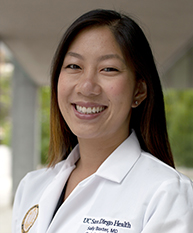
(Principal Investigator / Program Director) Assistant Professor Division Chief for Ophthalmology Informatics and Data Science Shiley Eye Institute at UC San Diego
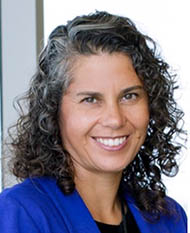
Professor in the Department of Cognitive Science, the Halıcıoğlu Data Science Institute, and the Neurosciences Graduate Program Halıcıoğlu Data Science Institute, Associate Director UC San Diego
Information about diversity and inclusion is available through multiple venues. First, there are several websites available that provide information about diversity initiatives across the entire campus (diversity.ucsd.edu) and the (School of Medicine). Many departments have their own websites as well. Virtually all departments at UCSD have identified an Equity, Diversity, and Inclusion (EDI) ambassador, typically a faculty member who spearheads diversity-related initiatives in their areas/specialties and also collaborates with various entities across the medical school.
There are several active affinity organizations for UCSD medical students. These include:
The Association of Native American Medical Students (ANAMS)
The Asian Pacific American Medical Students Association (APAMSA)LGBTQ
Pharmacy and Medical Students (LGBTQ-PhaM)
The Latino Medical Student Association (LMSA)
Medical Students for Justice (MS4J)
The Student National Medical Association (SNMA)
UCSD also offers a curricular pathway called Program in Medical Education – Health Equity (PRIME - HEq), which part of a system-wide effort at the University of California to train physicians better able to meet the needs of the diverse Californian population who are traditionally underserved by the medical system. PRIME-HEq faculty work with students to identify populations or communities at risk for health disparities. Students will then receive exposure, training, and the opportunity to work with the identified group to further their passion in the area and provide knowledge and skills to better equip the students to improve health equity for the group.